Why Homes Sit on the Market (And How to Avoid It)
Wondering why your home isn’t selling? Discover the top reasons homes sit on the market and proven strategies to sell faster at the right price.
Scott Champion and Real Estate Company
12/18/20252 min read
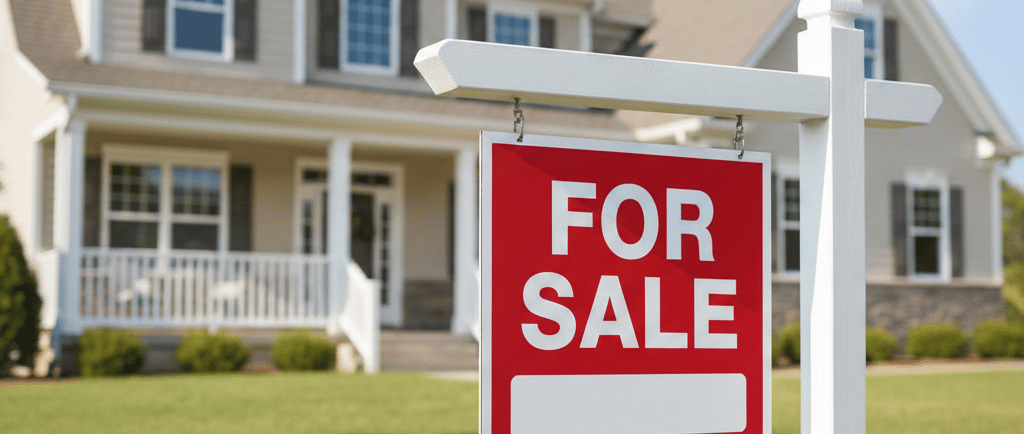
The most common home-selling mistakes that cause delays—and how smart pricing and strategy can help you sell faster.
When a home doesn’t sell quickly, it’s rarely due to bad luck. In most cases, homes sit on the market because of avoidable issues related to pricing, presentation, or marketing. Understanding these problems—and fixing them early—can mean the difference between a fast sale and months of frustration.
Below are the real reasons homes sit on the market and exactly how to avoid them.
1. Overpricing the Home
Overpricing is the number one reason homes fail to sell.
Buyers today are well-informed. They compare listings online and know market values. When a home is priced too high:
Buyer interest drops immediately
Showings slow down
The home becomes “stale”
Price reductions later raise red flags
How to Avoid It
Price your home based on recent comparable sales, not emotion or future expectations. Correct pricing from day one creates urgency and attracts serious buyers.
2. Poor First Impressions
Buyers form opinions within seconds—often before they step inside.
Common first-impression issues include:
Unmaintained landscaping
Cluttered or outdated interiors
Unpleasant odors or poor lighting
Obvious repair needs
How to Avoid It
Focus on cleanliness, decluttering, and minor repairs. Simple improvements often outperform expensive renovations.
3. Weak or Incomplete Marketing
Even a well-priced home won’t sell if buyers don’t see it.
Homes sit longer when:
Photos are low quality
Listings lack compelling descriptions
Online exposure is limited
Marketing doesn’t reach qualified buyers
How to Avoid It
Professional photos, detailed listing descriptions, and strong online exposure are essential to attract the right buyers quickly.
4. Ignoring Market Conditions
Market conditions shift constantly.
Factors that impact demand:
Interest rates
Seasonal buyer trends
Local inventory levels
Economic conditions
How to Avoid It
Adjust pricing and strategy based on current market data, not past conditions. What worked last year may not work today.
5. Inspection and Condition Issues
Buyers may walk away when inspections reveal costly problems.
Common deal-killers include:
Roof damage
HVAC or plumbing issues
Electrical concerns
Signs of water damage
How to Avoid It
Address major issues upfront or price the home accordingly. Transparency builds trust and keeps deals moving forward.
6. Limited Showing Availability
Restricting showings reduces buyer opportunities.
Homes that are difficult to view often:
Miss out on motivated buyers
Receive fewer offers
Take longer to sell
How to Avoid It
Make your home as accessible as possible for showings, especially during the first few weeks on the market.
How to Sell Your Home Faster
To avoid sitting on the market:
Price accurately from the start
Improve presentation, not over-renovation
Use professional marketing
Stay flexible with showings
Work with an experienced real estate professional
Homes that follow these steps consistently sell faster and closer to asking price.
Final Thoughts
If your home is sitting on the market, it’s not a failure—it’s feedback. The right adjustments in pricing, condition, and strategy can dramatically improve results.
Understanding why homes sit on the market empowers sellers to make smart decisions that lead to quicker, smoother sales.
Quick Links
Company
Properties
Your trusted partner in real. Making dreams come true,
one home at a time.
2835 Zelda Rd Suite 13, Montgomery, AL 36106, United States
customerservice@scottchampionrealestate.com
Phone: +1 334-324-1139
Hours: Mon-Fri: 9AM–5PM, Sat-Sun: Closed
Social Media
© 2025 Scott Champion & Company. All rights reserved.