Is a House a Good Investment? Pros, Cons & Real Returns Explained (2026 Guide)
Is buying a house a smart investment? Learn the pros, risks, ROI, appreciation, rental income, and expert tips to decide if real estate fits your financial goals.
Scott Champion Real Estate Company
1/21/20263 min read
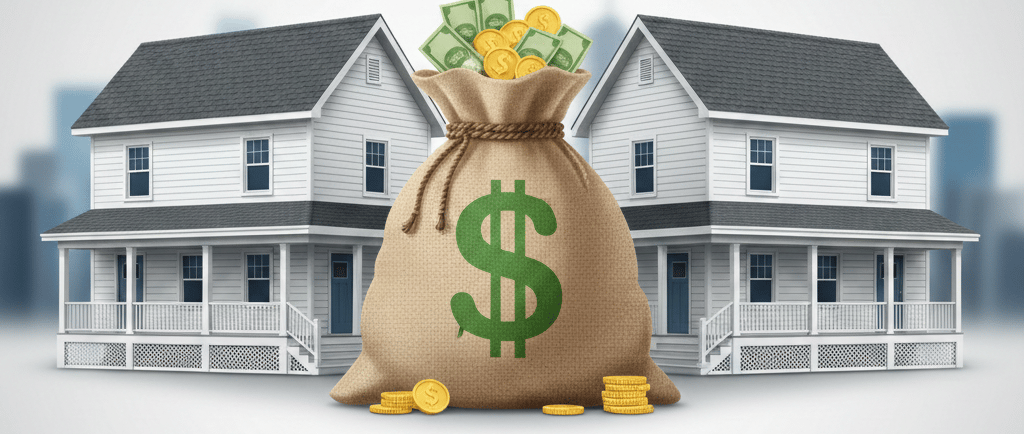

Is a House a Good Investment? A Detailed Guide for Smart Buyers and Investors.
Buying a house is often described as the cornerstone of financial stability, but many people still wonder whether it truly qualifies as a good investment. With rising home prices, fluctuating interest rates, and changing market conditions, it’s natural to question if purchasing a home is the smartest place to put your money.
The truth is that a house can be an excellent investment, but its success depends on how, where, and why you buy. Unlike short-term investments, real estate rewards patience, long-term planning, and informed decision-making.
Why Real Estate Has Historically Been a Strong Investment
Real estate has consistently proven itself as one of the most reliable wealth-building tools over time. One of the main reasons is appreciation. While home values may rise and fall in the short term, history shows that property values tend to increase steadily over long periods. Inflation, population growth, limited housing supply, and rising construction costs all contribute to long-term appreciation.
Another major advantage is that real estate is a tangible asset. Unlike stocks or cryptocurrencies, a house has intrinsic value—you can live in it, rent it, or improve it. This physical nature often makes housing more stable during economic uncertainty.
How Buying a House Builds Long-Term Wealth
When you buy a house, you’re not just paying for shelter—you’re building equity. Each mortgage payment gradually increases your ownership stake in the property. Over time, this equity can become a powerful financial resource, allowing homeowners to refinance, invest in additional properties, or fund major life expenses.
This concept of “forced savings” is one of the most overlooked benefits of homeownership. Instead of paying rent that never comes back to you, mortgage payments contribute to your net worth.
Rental Income and Investment Opportunities
For those buying a house as an investment, rental income can significantly improve returns. A well-located property can generate consistent monthly income while also appreciating in value. In many cases, rent increases over time while the mortgage payment remains relatively stable, improving cash flow year after year.
Rental properties also offer tax advantages, such as depreciation and deductible expenses, which can further enhance overall return on investment. This makes real estate especially attractive to long-term investors looking for both income and growth.
Tax Advantages That Improve Real Estate ROI
One of the reasons many investors favor real estate is the favorable tax treatment. Homeowners may benefit from mortgage interest deductions and property tax deductions, while investors can often deduct operating expenses and depreciation. In some cases, capital gains exclusions on primary residences can significantly reduce taxes when selling.
These benefits make real estate more tax-efficient compared to many other investment options.
Understanding the Risks of Buying a House
While real estate can be a strong investment, it’s important to recognize the risks. Housing markets are influenced by interest rates, local economic conditions, and supply and demand. Property values can decline temporarily, particularly during economic downturns.
Ownership also comes with ongoing costs, including maintenance, insurance, property taxes, and repairs. Unlike stocks, real estate is not a liquid asset—selling a house takes time and depends heavily on market conditions.
However, many of these risks can be managed by buying in a stable market, maintaining a long-term perspective, and working with an experienced real estate professional.
Is Buying a House Better Than Renting?
For many people, buying a house is financially smarter than renting—especially over the long term. Rent typically increases year after year, while fixed-rate mortgage payments remain predictable. Homeownership provides stability, equity growth, and protection against rising housing costs.
Renting may offer flexibility in the short term, but it does not provide the wealth-building benefits that come with owning real estate.
Is a House a Good Investment in Today’s Market?
A house is generally a good investment if you plan to stay in it for several years, can comfortably afford the payments, and purchase in an area with stable or growing demand. Timing, pricing, and location all play a crucial role in determining long-term success.
This is where local market expertise becomes invaluable. Understanding neighborhood trends, buyer demand, and future development can make the difference between an average purchase and a great investment.
Final Verdict: Is Buying a House a Good Investment?
Yes—buying a house can be a very good investment when approached with the right strategy. It offers appreciation, equity growth, rental income potential, and tax advantages that few other investments can match. While risks exist, they are often outweighed by long-term benefits when buyers make informed decisions.
Ready to Make a Smart Real Estate Decision?
If you’re considering buying a home or investing in real estate, Scott Champion Real Estate provides expert guidance, market insight, and personalized strategies to help you make confident decisions.
Contact us today to find out whether buying a house is the right investment for your future.
Quick Links
Company
Properties
Your trusted partner in real. Making dreams come true,
one home at a time.
2835 Zelda Rd Suite 13, Montgomery, AL 36106, United States
customerservice@scottchampionrealestate.com
Phone: +1 334-324-1139
Hours: Mon-Fri: 9AM–5PM, Sat-Sun: Closed
Social Media
© 2025 Scott Champion & Company. All rights reserved.